

What is Manual Lymphatic Drainage Massage?
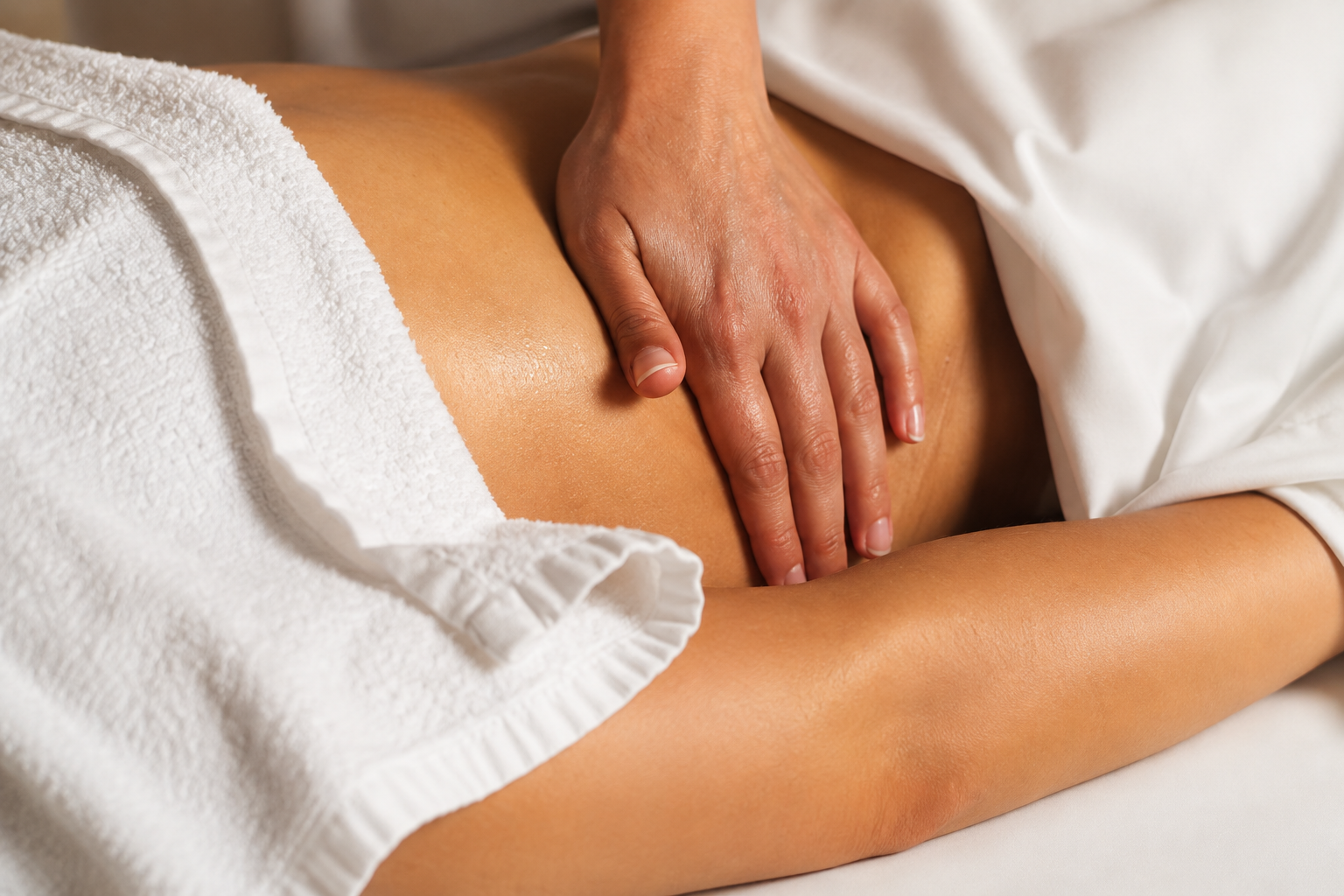
Manual Lymphatic Drainage (MLD) massage is a light, rhythmic, skin-stretching form of massage designed to reduce inflammation and support your body's natural detoxification system. A registered massage therapist moves lymph from your tissues to your lymph nodes which reduces swelling. It also addresses muscular tension, reduces fluid accumulation, and supports the body's circulation.
At Toronto Community Massage and Wellness, located near College and Bathurst, many patients seek Manual Lymphatic Drainage post-surgery. This is because surgery typically causes tissue damage and stiffness resulting from trauma, wounds and lymphatic disruption. Swelling can prolong the healing process, increase discomfort and obstruct it. Manual Lymphatic Drainage aids the healing process by encouraging tissue repair and supporting overall recovery.
What are the Benefits of Manual Lymphatic Drainage?
Aesthetic purposes (reducing facial puffiness, for instance)
Supports your immune system
Faster post-surgery recovery
Reduced fluid retention
Helps stress management
Can help with conditions like fibromyalgia, chronic venous insufficiency, rheumatoid arthritis according to WebMD
Manual Lymphatic Drainage vs. Brazilian Lymphatic Drainage
Manual Lymphatic Drainage is a gentle massage technique that helps lymph flow and reduces tissue congestion. The treatment uses slow, rhythmic movements to encourage lymphatic flow, reduce tension and swelling, and support healthy circulation. It is ideal for individuals seeking assistance with their health and wellness needs.
After MLD treatment, patients feel:
Relaxed
Reduced feeling of heaviness
Reduced inflammation
Improved feelings of comfort
Calmer
Brazilian Lymphatic Drainage blends traditional lymphatic drainage massage techniques with contouring and myofascial release to help reduce bloating, puffiness and the appearance of cellulite. Brazilian Lymphatic Drainage (BLD) is typically sought out more for its aesthetic benefits, but both MLD and BLD are used for wellness. It is ideal for individuals seeking sculpting aesthetic benefits or enhanced circulation.
After BLD treatment, patients feel:
Temporary sculpting
Visible contouring
Reduced puffiness
Manual Lymphatic Drainage vs. Deep Tissue Massage
Manual Lymphatic Drainage addresses swelling caused by the body's inability to absorb lymph fluid. It reduces this swelling by moving the excess fluid from the limbs back to the circulatory system. Additionally, the massage uses gentle, rhythmic techniques to stimulate the lymph nodes without causing the patient discomfort. This type of massage benefits individuals dealing with post-surgery recovery, detoxification and lymphedema.
Deep Tissue Massage benefits individuals dealing with adhesions, also known as knots, which are tight bands of tissue that restrict blood flow and cause inflammation. Deep Tissue Massage helps alleviate chronic pain, stiffness and other inflammation-related symptoms. It uses slow and deep massage techniques to release tension and break down these adhesions. This type of massage would benefit individuals experiencing sciatica, sports-related injuries or fibromyalgia.
What Happens During Your First Appointment?
The appointment would start with a gentle, rhythmic technique. This technique follows specific directional patterns moving toward the nearest lymph node cluster. Your massage therapist will focus on areas such as your neck, armpits, abdomen and legs as these areas concentrate major lymph nodes. Patients typically feel lighter, less puffy and more energized after their session.
How Many Treatments Do I Need?
The number of treatments depends heavily on several different factors. These factors include overall health and lifestyle, diet and hydration, stress and sleep, aftercare, recovery and healing. Here is a general guideline depending on the individual's circumstances:
General wellness: 1-2x a month
Post-travel recovery: 24-48 hours upon arrival
Post-surgical recovery: As frequently as recommended by your healthcare professional
Aesthetic skincare purposes: Weekly for 4-6 weeks then monthly
Chronic feelings of heaviness: 2x per week then weekly
Can Lymphatic Drainage Reduce Swelling?
Yes, Lymphatic Drainage is an effective massage therapy technique for reducing swelling. Your massage therapist moves lymph from your tissues toward your lymph nodes which aids in reducing swelling.
Does Lymphatic Drainage Hurt?
No, Lymphatic Drainage is not supposed to hurt as your registered massage therapist should use gentle pressure to move fluid toward the nearest lymph nodes. During a Brazilian Lymphatic Drainage massage, however, more vigorous and energized techniques are used. If you find your massage therapist is using deeper pressure than you anticipated, either confirm you are receiving a Lymphatic Drainage Massage and not a Brazilian Lymphatic Drainage Massage. Once you confirm the correct treatment, ask them to use lighter pressure.
Is Lymphatic Drainage Covered by Insurance?
This is dependent on your benefits plan. If your benefits plan covers registered massage therapy then yes, Manual Lymphatic Drainage would be covered by insurance. At Toronto Community Massage and Wellness, it is billed as a Massage Therapy treatment. If you are ever unsure whether a treatment is covered by your insurance, contact your insurance provider directly as the clinic cannot do so on your behalf.
Which Registered Massage Therapists offer Lymphatic Drainage Massage?
Cynthia Castro Acosta (she/her), an Advanced RMT, been trained in several manual lymphatic drainage styles including the Vodder (Manual) technique and Brazilian styles. She offers both Manual Lymphatic Drainage and Brazilian Lymphatic Drainage treatments at Toronto Community Massage and Wellness located in Little Italy, Toronto.
Many other Registered Massage Therapists offer Manual Lymphatic Drainage Massage at our clinic including Alisha Morrison (she/her) Advanced RMT, Ashuka Kayastha (she/her) RMT, Elly (Ellysa) Del Mastro (she/her) RMT, Kim Goode (they/them) Advanced RMT.
